
Foundational Relief for Immediate Needs
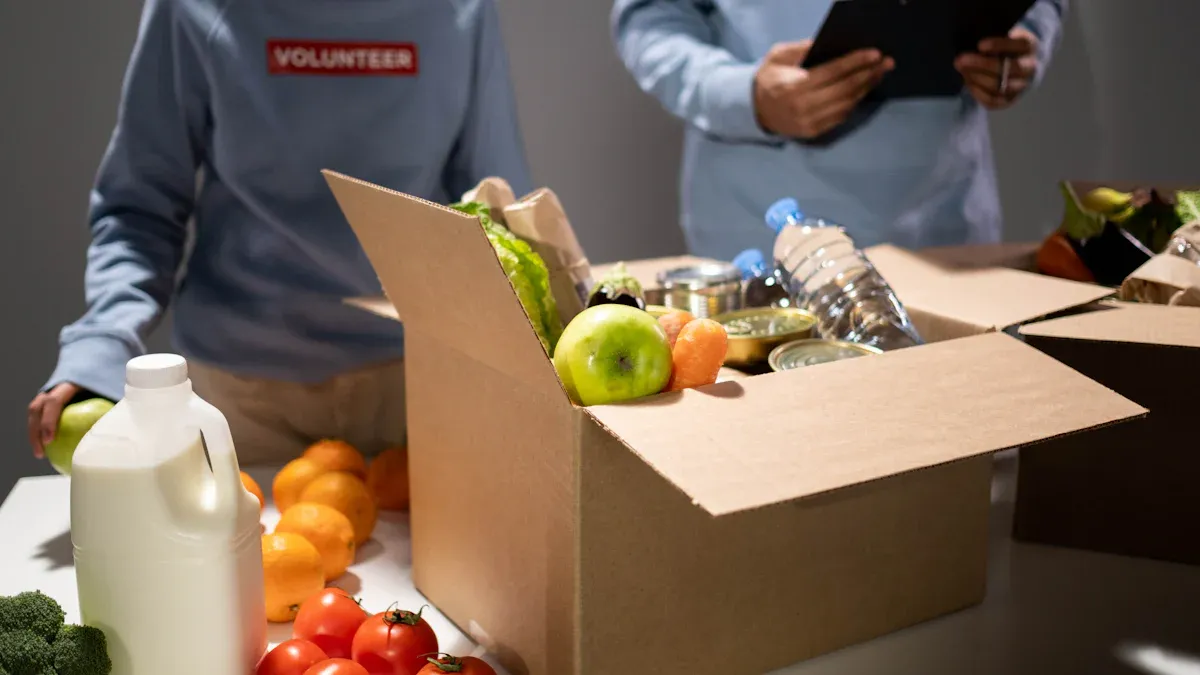
When you face a crisis, you need help fast. Many people need food, shelter, or someone to talk to right away. Every hour matters.
- 305 million people need urgent aid.
- 280 million people face acute hunger.
- 90 million displaced people live in high-risk areas.
- Over 123 million have been forced from home.
You can get support quickly. Look for pop-up food distribution events and other services that respond within hours:
| Type of Support | Response Time |
|---|---|
| Food (hot meals, snacks, water) | Within hours of disaster |
| Shelter assistance | Within hours of disaster |
| Emotional support | Within hours of disaster |
Key Takeaways
- Act quickly during a crisis. Identify your most urgent needs for food, water, and shelter to ensure safety and health.
- Use available tools to assess your needs. Initial intake forms and checklists help you communicate your situation to relief workers effectively.
- Stay informed about local resources. Check community websites and social media for pop-up food distribution events and other immediate support options.
- Seek emotional support. Reach out to hotlines or local counselors to help manage stress and anxiety after a crisis.
- Focus on basic needs first. Secure food, water, and shelter before addressing other issues to promote recovery and stability.
Immediate Needs

Assess Urgency
You need to act quickly when a crisis strikes. Relief organizations use clear criteria to decide who needs help first. They look for people in distress and check what each person needs most. You can see how they assess urgency in the table below:
| Criteria | Description |
|---|---|
| Is the individual in distress? | The person faces sudden and severe financial burdens from events they cannot control. |
| What needs does the individual have? | The assessment considers specific needs, from food and shelter to longer-term support. |
You can use expert tools to help you figure out what you need right away. These tools make the process faster and more organized:
- Initial Intake and Assessment Tool: This form helps you check your health, safety, and emotional needs.
- Environmental Health Assessment Form for Shelters: Use this to spot health risks in shelters.
- Psychological First Aid Field Operations Guide: This guide shows you how to get emotional support during disasters.
- Social Services Needs Assessment Checklist: This checklist helps you answer key questions and document your needs.
Tip: Write down your needs as soon as possible. This helps you get the right support and makes it easier for relief workers to help you.
Barriers can slow down your access to help. Transportation problems, work schedules, and language differences often make it hard to reach services. Many organizations now offer telemedicine, shuttle services, and multilingual support to make relief easier to access.
Local governments and non-profits work together to coordinate relief. For example, the Coalition for the Homeless of Houston/Harris County leads efforts to help people in crisis. In Santa Clara, a coalition raised billions to fight homelessness. These partnerships make relief faster and more effective.
Prioritize Needs
You must focus on the most important needs first. Experts say you should start with food, water, and shelter. These basic needs keep you safe and healthy. Maslow’s theory shows that you cannot think about jobs or mental health until you have enough to eat and a safe place to sleep.
- Food, water, and shelter come first. You need these before you can solve other problems.
- Charitable organizations help you meet these basic needs. Once you have them, you can work on bigger goals.
- Safety and security matter most for people facing homelessness. Meeting these needs helps you move toward self-sufficiency.
You can use these methods to set priorities during emergencies:
- Learn about disaster preparation in your community. Education and local funding help you get ready before trouble starts.
- Cash assistance gives you flexibility. You can buy what you need most, whether it is food, medicine, or shelter.
- Technology helps you stay connected. Mobile apps and platforms make it easier to find help and communicate with relief workers.
Pop-up food distribution events play a key role in meeting urgent needs. These events bring food and essentials directly to people in crisis. You can find hot meals, snacks, and water within hours after a disaster. Relief organizations also deliver hygiene kits and emergency supplies to areas that need help most.
Note: Always check for local pop-up food distribution events and community resources. These can provide immediate support when you need it most.
Relief Strategies

Pop-Up Food Distribution Events
You can find fast help through pop-up food distribution events. These events bring food, water, and essentials directly to people in need. Many organizations, such as Each One Feed One, Feeding America, and local food banks, set up these events within hours after a crisis. You do not need to wait long for support. Volunteers and staff deliver hot meals, snacks, and hygiene kits to neighborhoods, shelters, and schools.
Pop-up food distribution events often partner with local grocers and community centers. This teamwork helps reach more families and individuals. You may see mobile outreach vans or tents in parks and parking lots. These events also help students and families who cannot travel far.
Here is how pop-up food distribution events make a difference:
| Metric | Year 1 Target | Long-Term Outcome |
|---|---|---|
| Overall Market Attendance | 15% increase | Stronger vendor capacity and retention |
| Vendor Sales | 10% increase | Healthier food choices for families |
| SNAP Redemptions | 20% increase | Direct access to fresh, affordable food |
| Students Reached | 6,000 | |
| Families Engaged | 1,100 |
You can rely on these events for quick relief. They help you get food and essentials when stores are closed or supplies run low. Programs like Each One Feed One use pop-up food distribution events to make sure no one is left behind.
Tip: Check local news, social media, or community websites to find the nearest pop-up food distribution events after a disaster.
Financial Assistance
You may need money right away to pay for food, rent, or utilities. Many programs offer financial assistance to help you stay safe and stable. Some of the most common types include government grants, Temporary Assistance for Needy Families (TANF), and help with utility bills through LIHEAP. You can also find support from organizations like Modest Needs, United Way’s 2-1-1, and Community Action Partnership.
Here is a table showing common types of financial assistance and who can get them:
| Type of Assistance | Description | Eligibility Criteria |
|---|---|---|
| Government Grants | Federal grants for food and housing | Varies by state, usually for low-income people |
| TANF | Help for families with basic needs | Low-income families, varies by state |
| LIHEAP | Utility bill and energy cost help | Low-income households, based on income |
| HUD Programs | Housing help and funding | Low-income residents, varies by program |
| Medicare Savings | Help with medical expenses | Based on income and health needs |
You can also get help from:
- Feeding America: Emergency food assistance through food banks.
- Modest Needs: Short-term help for housing and utilities.
- HealthWell Foundation: Medical cost help for the underinsured.
Immediate financial assistance helps you cover daily needs and lowers stress. Cash assistance lets you buy what you need most, without feeling judged. When you learn about money management, you can use this help to stay stable after a crisis.
| Evidence | Description |
|---|---|
| Immediate Assistance | Covers daily needs and reduces financial stress |
| Cash Assistance | Lets families respond to urgent needs quickly |
| Financial Literacy | Helps you manage money and plan for the future |
Note: Always check eligibility rules before applying for financial help. Many programs have income or family size requirements.
Emotional Support
You may feel scared, anxious, or alone after a crisis. Emotional support helps you feel safe and hopeful again. Many organizations offer support right away, both in person and by phone. Psychological First Aid (PFA) is a proven way to help people calm down and feel secure. You can also find support by talking to friends, family, or trained counselors.
Here are some forms of emotional support that work best after a crisis:
| Form of Support | Description |
|---|---|
| Psychological First Aid (PFA) | Helps you feel safe, calm, and hopeful after a crisis. |
| Establishing Safety | Creates a secure environment for you and your family. |
| Promoting Calming | Teaches you ways to manage stress and anxiety. |
| Fostering Connectedness | Encourages you to connect with others and avoid isolation. |
| Instilling Hope | Gives you reassurance and optimism for recovery. |
You can also call hotlines for immediate help:
| Hotline Name | Calls/Contacts in 2020 |
|---|---|
| SAMHSA National Helpline | 833,598 |
| National Domestic Violence Hotline | 636,968 |
| 988 Suicide and Crisis Lifeline | 2,392,790 |
- Offering practical resources
- Providing safety and comfort
- Facilitating social connections
- Stabilizing intense emotions
If you feel overwhelmed, reach out to a hotline or local support group. You are not alone.
Community Resources
You can find many community resources that offer immediate help. The American Red Cross responds to emergencies every eight minutes. They provide clean water, safe shelter, and hot meals. Local groups like the Salvation Army also help with food, clothing, and shelter.
You can use these resources:
- The American Red Cross: Offers shelter, food, and emergency supplies.
- Salvation Army: Provides meals, clothing, and safe places to stay.
- Local voluntary agencies: Help with shelter, food, and clothing.
- United Way’s 2-1-1: Connects you to local services and referrals.
- Need Housing Assistance? website: Gives information on homelessness, rent, and tenant rights.
Programs like Each One Feed One, Direct Relief, CRS, and Modest Needs work together to deliver food, essentials, and emergency support. They use different methods, such as congregate feeding in shelters, outreach feeding at fixed locations, and canteening for first responders. You may also get help with lodging, rent, utilities, and transportation.
Relief organizations measure their success by:
- Assessing risks and needs in the community
- Building partnerships with local groups
- Training staff and volunteers
- Stockpiling supplies for quick response
Stay connected with local organizations and keep a list of important contacts. This helps you get help faster when you need it most.
Action Plan
Quick Checklist
When you face an emergency, you need a clear plan. A quick checklist helps you cover all your immediate needs. Emergency management experts recommend that you start by looking at possible risks and decide how you will communicate with others. Assigning roles makes sure everyone knows what to do.
Here are the main steps you should follow:
- Perform a risk assessment to spot possible emergencies and their effects.
- Decide how you will share information with your family or team.
- Assign roles and responsibilities so everyone can respond quickly.
You can use a checklist to make sure you do not miss anything important. The table below shows key items to check during a crisis:
| Checklist Item | Purpose |
|---|---|
| Health | Assess immediate medical needs and provide assistance |
| Nutrition | Identify food security issues and nutritional needs |
| Water | Ensure access to clean water and sanitation facilities |
| Child Protection | Safeguard vulnerable children and ensure their safety |
Tip: Keep your checklist in a place you can reach easily, like your phone or a notebook.
Stay Organized
Staying organized helps you get help faster and avoid confusion. You can use different tools to keep track of your needs, contacts, and important documents. Digital tools like document management software and collaboration apps save time and make it easier to find what you need.
| Organizational Tool | Benefit |
|---|---|
| Document Management Software | Creates a digital filing system and reduces lost paperwork |
| Collaboration Software | Keeps project data in one place and improves communication |
| Accounting Software | Makes managing finances easier and more accurate |
| Customer Relationship Management (CRM) | Centralizes contact information and improves service |
You should also use strong communication strategies. Share updates through websites, social media, text alerts, and radio. Offer information in different languages and formats, like large print or audio, to reach everyone in your community.
Stay connected with your support network and update your plan as your needs change. This helps you stay safe and ready for anything.
Common Mistakes
Pitfalls
You may face several pitfalls when seeking immediate relief. Many people try to solve every problem at once. This approach often leads to confusion and missed opportunities. You should avoid skipping steps or ignoring basic needs. If you overlook food, water, or shelter, you risk bigger problems later. Some people forget to ask for help from local organizations. Others do not keep track of important documents or contacts. You might also miss out on support if you do not communicate your needs clearly.
Relief efforts sometimes fail because agencies do not work together. You can learn from past mistakes. When groups do not share information, people wait longer for help. If you do not know where to go, you may waste time and energy. You should look for programs that include non-governmental organizations. These groups often respond faster and offer more options.
Here are lessons learned from past relief efforts:
- Integrate non-governmental organizations into planning and execution for better coordination.
- Improve communication among agencies to create a unified response.
- Develop efficient systems for delivering services to disaster victims.
Tip: Always keep a list of local contacts and update your information regularly. This helps you get help faster.
Focus on Basics
You need to focus on the basics first. Food, water, shelter, and emotional support matter most. If you ignore these needs, you may face serious consequences. Studies show that missing out on basic needs can harm your health and well-being. You may feel anxious, stressed, or unable to sleep. Children who lack nutritious food or safe housing often struggle in school.
The table below shows what can happen if you overlook basic needs:
| Evidence Description | Consequence |
|---|---|
| Fulfilling basic needs positively impacts mental well-being. | Overlooking these needs can lead to psychological anguish and hinder development. |
| Social support is essential for meeting psychological and health needs. | Lack of social support can exacerbate negative outcomes and mental distress. |
| Housing insecurity linked to poor health and academic performance. | Insufficient housing can lead to overall poorer health status. |
| Absence of nutritious food affects physical and mental health. | Leads to disrupted sleep patterns and diminished academic performance. |
| Food insecurity predicts mental health disorders. | Insufficient access to food is implicated in anxiety and stress. |
You should always start with the basics. Secure food, water, and shelter before you focus on other needs. Reach out to community resources and keep your support network strong. This approach helps you recover faster and stay healthy.
You can take control during a crisis by following proven steps. Start with evidence-based actions, work with others, and keep everyone accountable:
- Use research-backed methods for disaster response.
- Coordinate with local groups and agencies.
- Plan for feedback and improvement.
| Key Point | Explanation |
|---|---|
| Quick Decision-Making | Fast choices can save lives and prevent harm. |
| Training and Preparation | Emergency workers train to stay calm and act fast. |
| Mental Readiness | Staying calm helps you make better decisions in emergencies. |
- Plan for long-term recovery.
- Choose cash donations for flexibility.
- Work together with organizations.
- Focus on prevention and accountability.
Stay calm, act quickly, and use these strategies to meet your immediate needs and build a safer future.
FAQ
What should you do first in an emergency?
You should check your safety and health. Find food, water, and shelter right away. Write down your needs. This helps you get the right support fast.
How can you find local food distribution events?
Check local news, social media, or community websites. Many groups post updates online. You can also call 2-1-1 for information about nearby events.
Who can you contact for emotional support after a crisis?
You can call hotlines like the 988 Suicide and Crisis Lifeline or the SAMHSA National Helpline. Local support groups and counselors also offer help. Talking to friends or family can make you feel better.
What documents should you keep ready for relief programs?
Keep your ID, proof of address, and any medical records. Store these in a safe place. You can use a folder or take photos and save them on your phone.
Can you get help if you do not speak English?
Yes. Many organizations offer help in different languages. Look for multilingual staff or translation services. Ask for information in your language if you need it.